Frozen Vegetables: Nutrition Facts and Calories
Frozen vegetables offer a convenient way to include more produce in your diet. This category includes a wide variety of options, from single vegetables like green beans, peas, and corn, to mixed blends and seasoned varieties. Freezing helps lock in nutrients, making them a nutritious choice often comparable to fresh vegetables. When choosing frozen vegetables, plain options with minimal ingredients are generally preferred. On the Nutrition Facts label, check the sodium content, especially for products with sauces or seasonings. The FDA Daily Value for sodium is 2,300 milligrams per day. Plain frozen vegetables typically contain no added sugars; however, some seasoned or sauced varieties might. The 2025-2030 Dietary Guidelines for Americans recommend no amount of added sugars. Vegetables are naturally good sources of dietary fiber, which is beneficial for health. The ingredient list can help you identify if sauces, butter, or other additions are present, which may contribute to sodium, added sugars, or saturated fat. All values are shown per 100 g so products can be compared.
3,973 products · values per 100 g
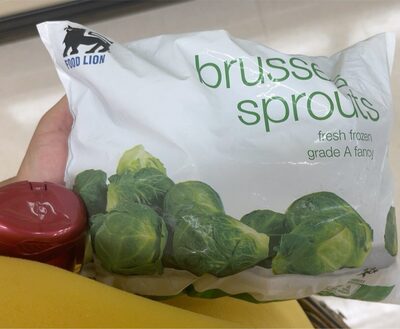 Food Town Stores Inc.
Brussels Sprouts
53kcal
3.5Protein
0Fat
9.4Carbs
Stater Bros. Markets Inc.
Brussels Sprouts
53kcal
3.5Protein
0Fat
9.4Carbs
Hannaford Bros. Co.
Brussels Sprouts
53kcal
3.5Protein
0Fat
9.4Carbs
Harris-Teeter Inc.
Brussels Sprouts
53kcal
3.5Protein
0Fat
9.4Carbs
Glencourt Inc.
Brussels Sprouts
41kcal
3.5Protein
0Fat
—Carbs
G&C Food Distributor & Broker Inc.
Brussels Sprouts
41kcal
3.5Protein
0.6Fat
8.1Carbs
Food Town Stores Inc.
Brussels Sprouts
53kcal
3.5Protein
0Fat
9.4Carbs
Stater Bros. Markets Inc.
Brussels Sprouts
53kcal
3.5Protein
0Fat
9.4Carbs
Hannaford Bros. Co.
Brussels Sprouts
53kcal
3.5Protein
0Fat
9.4Carbs
Harris-Teeter Inc.
Brussels Sprouts
53kcal
3.5Protein
0Fat
9.4Carbs
Glencourt Inc.
Brussels Sprouts
41kcal
3.5Protein
0Fat
—Carbs
G&C Food Distributor & Broker Inc.
Brussels Sprouts
41kcal
3.5Protein
0.6Fat
8.1Carbs